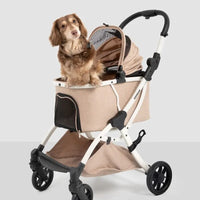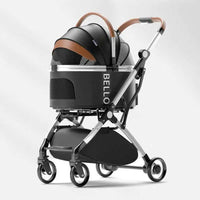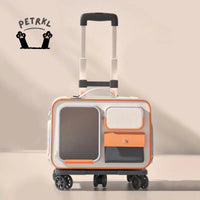

Are Dog Strollers Worth It for Large Dogs?
A Vet-Reviewed, Research-Backed Buyer’s Guide for 2026
Dog strollers used to be seen as something made for tiny dogs in handbags — cute, maybe fun, but hardly practical.
That perception has changed dramatically in recent years.
Today, veterinarians, pet mobility specialists, and major pet publications increasingly agree on one thing:
a well-designed dog stroller can significantly improve quality of life for large dogs, especially those dealing with aging, joint stress, injury recovery, or limited endurance.
This in-depth guide answers the most common — and most important — questions pet parents ask about dog strollers for large dogs, using expert insight, veterinary logic, and real-world use cases.
By the end, you’ll know:
- When a dog stroller actually makes sense for big dogs
- What veterinarians and experts really say
- How to choose the right large dog stroller
- Whether strollers work for two dogs
- What features matter most (and which don’t)
Why This Question Matters for Large Dogs
Large dogs experience physical stress differently than small breeds.
Because of their size and weight, big dogs place significantly more load on joints, ligaments, and spine during daily walks. Over time, this can contribute to:
- Arthritis
- Hip or elbow dysplasia
- Reduced endurance
- Pain after moderate activity
Yet mental stimulation, outdoor enrichment, and social exposure remain just as important for large dogs as they are for small ones.
This is where dog strollers enter the conversation — not as replacements for walks, but as mobility support tools.
What Veterinarians and Experts Say About Dog Strollers
Major pet-care publications now consistently frame dog strollers as mobility aids, not novelty items.
According to Forbes, dog strollers:
“Provide mobility support and reduce strain on joints, especially for senior dogs or dogs recovering from injury.”
Similarly, The Spruce Pets notes that many modern strollers are specifically designed to support large and heavy dogs, including breeds over 70–100 lbs, when chosen correctly.
The shared takeaway from experts:
"A dog stroller does not replace exercise — it extends safe participation in daily life."
When Does a Dog Stroller Make Sense for Large Dogs?
1. Senior Large Dogs
Aging affects large dogs earlier and more visibly than small breeds. Even dogs that still enjoy walking may struggle with:
- Long distances
- Hard pavement
- Heat exposure
A stroller allows them to rest when needed while still enjoying outdoor time.
2. Dogs With Arthritis or Joint Conditions
Conditions like arthritis or hip dysplasia don’t mean a dog should stay indoors. Instead, controlled activity with support is often recommended.
A large dog stroller reduces joint impact while maintaining:
- Mental stimulation
- Social exposure
- Routine structure
3. Post-Surgery or Injury Recovery
After orthopedic surgery, most vets recommend:
- Limited weight bearing
- Controlled movement
- Avoidance of jumping or uneven terrain
A stroller allows safe outdoor access without risking setbacks.
4. Dogs That Fatigue Easily
Some large dogs simply tire faster — especially in hot weather or urban environments. A stroller becomes a mobile rest zone, not a permanent ride.
5. Multi-Dog Households
If one dog slows down while another still wants to go, a dog stroller for 2 dogs can keep routines consistent without leaving anyone behind.
How a Dog Stroller Supports (Not Replaces) Exercise
A common misconception is that using a stroller “spoils” a dog.
In reality, responsible use looks like this:
- Walking part of the route
- Riding part of the route
- Walking again when energy allows
This mirrors interval training, which many veterinarians recommend for dogs with limited endurance.
What to Look for in a Large Dog Stroller
Not all strollers are suitable for big dogs. Choosing the wrong one can create safety risks.
1. Weight Capacity (Non-Negotiable)
Always choose a stroller rated above your dog’s actual weight.
- A 70-lb dog should ride in an 85–100-lb rated stroller
- This ensures frame stability and longevity
 2. Reinforced Frame Construction
Large dogs shift weight when turning or adjusting position.
Look for:
- Steel or high-grade aluminum frames
- Reinforced joints
- Wide wheelbase
Avoid thin tubing or plastic-heavy designs.
3. Cabin Size and Entry Height
Large dogs need:
- Enough space to sit and lie comfortably
- Low or rear entry to reduce joint strain
Cramped cabins increase stress and discomfort.
4. Wheel Size and Suspension
- Large dogs require smoother rides:
- Bigger wheels absorb impact
- Suspension reduces vibration
- Lockable front wheels improve control
This matters especially on sidewalks, gravel, or park paths.
5. Ventilation and Temperature Control
Big dogs generate heat quickly.
Multiple mesh panels:
- Improve airflow
- Reduce overheating
- Allow visual engagement
Can a Dog Stroller Work for Two Dogs?
Yes — if designed for it.
A dog stroller for 2 dogs should include:
- Wide, reinforced cabin
- Separate safety tethers
- High combined weight rating
Crowding two dogs into a stroller meant for one is unsafe. Proper design matters.
Dog Stroller vs Dog Wagon: Which Is Better for Large Dogs?
| Feature | Dog Stroller | Dog Wagon |
|---|---|---|
| Maneuverability | Easier | Harder |
| Airflow | Better | Limited |
| Comfort | Enclosed & padded | Flat base |
| City Use | Excellent | Moderate |
| Weight Capacity | Moderate–High | Very High |
For daily walks and city environments, strollers are usually more comfortable. Wagons may suit extreme weight needs or off-road terrain.
Recommended Dog Stroller Types (By Use Case)
Rather than listing individual models, experts recommend choosing by function.
You can explore suitable options here:
👉 https://petrkl.com/collections/pet-stroller
Heavy-Duty Large Dog Strollers
Best for:
- Senior dogs
- Arthritic dogs
- Daily walks
All-Terrain Dog Strollers
Best for:
- Park trails
- Uneven surfaces
- Longer outdoor outings
Multi-Dog Strollers
Best for:
- Two-dog households
- Mixed energy levels
How to Help Your Dog Adjust to a Stroller
Even confident dogs may need time to adapt.
Veterinary-recommended approach:
- Introduce the stroller indoors
- Let the dog explore without pressure
- Use treats and calm praise
- Start with very short rides
- Gradually extend duration
Most dogs adapt quickly when they feel secure.
Final Verdict: Are Dog Strollers Worth It for Large Dogs?
For the right dog, yes — absolutely.
A dog stroller is not about avoiding exercise.
It’s about supporting mobility, reducing pain, and preserving joy.
For large dogs facing physical limitations, strollers:
- Extend outdoor participation
- Reduce joint strain
- Improve quality of life
- Help owners maintain consistent routines
If your dog still wants to explore the world — just not at full speed — a stroller can be a smart, compassionate solution.
👉 Explore suitable dog strollers here:
https://petrkl.com/collections/pet-stroller
Share