PETRKLMEADIA

How-to-Choose-the-Best-Dog-Harness-for-Small-Dogs Petrkl

PETRKLMEADIA

How to Choose the Best Dog Harness for Small Dogs?

am Nov 30 2025
Choosing a harness for a small dog can be tricky. Many think any lightweight option will work since small dogs seem easy to handle. But anyone with a spunky Chihuahua or an active terrier knows that they can be as tough as bigger breeds. A harness is crucial for small dogs. They may be tiny, but their bodies and personalities are not. A 4-pound Yorkie, a fluffy Pomeranian, a bold French Bulldog, or a shy rescue—all need the right harness. It affects their safety, comfort, breathing, and behavior. A good harness makes walks smoother and more enjoyable. The wrong harness can cause rubbing, coughing, pulling, slipping, or stress. Many owners don’t realize that these problems are linked to the harness. This guide helps you pick the best harness for small dogs. We’ll discuss materials, design, fit, and how your dog’s personality affects their needs. Since small dogs often pull, we’ll also cover no-pull harnesses and their importance. Let’s explore what matters in choosing the right harness for your beloved small dog. Understanding the Small Dog Body: Why Harness Design Matters More Than You Think One big mistake dog parents make is assuming small dogs can’t pull hard enough to hurt themselves. In reality, small dogs often pull in quick bursts. This sudden pressure can harm their necks when they wear a collar or a harness with a flawed design. Many small breeds have delicate tracheas. Yorkies, Chihuahuas, and Pomeranians often face tracheal collapse. This condition weakens their windpipe when under pressure. This can lead to coughing or long-term breathing problems. Even sturdier small breeds, like Dachshunds, have narrower airways than larger dogs. A harness that spreads pressure across the chest is safer. It doesn't tighten around the throat. When people look for the best dog harness, they often think about control or style. For small dogs, the priority is always airway safety. The best harnesses protect this delicate area with H-shaped or Y-shaped designs. These shapes allow dogs to move in a natural manner. They also help keep their breathing clear, even during sudden pulls. When you know how a small dog's body works, you can pick a harness that fits its natural shape. Comfort Is Key: Why Lightweight, Soft Materials Matter for Small Breeds All dogs need comfort, but small ones often show their discomfort more noticeably. They might freeze, resist walking, scratch at their chest, or lie down. Some owners think their dog is “stubborn,” but often, the harness feels heavy or scratchy. Many small dogs carry tension in their chests and shoulders. Heavy webbing or stiff nylon can feel uncomfortable for them. Manufacturers make the best harnesses for small dogs from lightweight materials. These include airy mesh and soft-touch fabric. They feel nice against the skin and don’t trap heat. If you’ve ever picked up a tiny harness and thought it’s too light to be durable, think again. Small dogs don’t need thick padding like larger breeds. For them, comfort and breathability lead to confidence on walks. If your small dog hesitates or tries to escape its harness, it might be uncomfortable. It’s not a behavioral problem. Fit is Everything: Why Adjustability Is the Heart of a Good Harness A common misconception is that small dogs are easy to train. In reality, their body shapes show significant variation. A Dachshund is long. A pug is wide. A Maltese is narrow. A French Bulldog has a barrel chest. A Papillon has a narrow torso but fluffy fur. A Shih Tzu may have hair that adds inches to its size. This is why the best dog harness for small dogs must be adjustable. Look for change points at the neck, chest, and belly. A harness should fit like a tailored suit. It needs to be snug to stay secure, but also loose enough for comfort. A good rule of thumb is to fit two fingers under each strap. But also watch how your dog moves in the harness. A proper fit means no rubbing, no gaps, and no shifting during walks. If a harness isn’t adjustable enough, it’s not the right one for a small dog—no matter how attractive it looks. Choosing a No-Pull Dog Harness: Why Small Dogs Need Pull Control, Too Walk through any park, and you’ll see small dogs pulling hard, eager to sniff every leaf or greet every person. Many small dog owners think only large dogs need a no-pull dog harness, but that’s not true. Small dogs can be quite strong. Their excitement often causes sudden pulls, which can strain their necks. A good no-pull harness usually has a front chest ring. When a dog pulls, the leash guides it sideways. This way, it doesn't move forward forcefully. This offers two benefits: It reduces pulling without causing any pain. It helps to teach loose-leash walking. For puppies and newly adopted dogs, a no-pull design means less frustration for both dog and owner. You’re not choking your dog, and they’re not dragging you—everyone wins. If you wish your dog would stop zigzagging or lunging, a no-pull harness is one of the best tools available. Put-On Style Matters: Over-the-Head vs. Step-In vs. Side Opening Small dogs have strong opinions. Some dislike anything going over their heads. Others resist lifting their paws. Some are fine until a strap touches their ears. This is where the wearing style is important. Over-the-head harnesses suit dogs who don’t mind handling. Step-in harnesses work for shy dogs. But side-opening harnesses—where one side opens fully—often provide the best functionality. This design wraps around the body without needing to step through anything. This style reduces stress. It feels more natural for dogs that don’t like tight spaces or hands near their heads. A good harness helps your dog feel comfortable. If it struggles when you dress it, choose one that respects its needs. Look Beyond Design: Think About Your Dog’s Personality and Lifestyle Not all small dogs walk the same. A confident, energetic Mini Schnauzer needs different support than a timid rescue terrier. A senior Shih Tzu who strolls doesn’t need the same harness as an active Pomeranian. When choosing a harness, consider: Your dog’s energy level Their confidence in walking. Tendency to pull or zigzag. Escape-prone tendencies Sensitive skin or rubbing-prone areas This perspective helps you select a harness that truly supports your dog’s walking style. Durability and Safety: Small Dogs Need Protection, Too It’s easy to think small dogs don’t need strong hardware. But they can be surprisingly strong. A sudden lunge can apply more pressure than you might think. Choose strong buckles that work well and have passed pull force tests. Welded D-rings add security, especially if your dog is reactive during walks. Reflective stitching is key for night safety. It helps drivers see small dogs better. Good safety design isn’t just about preparing for accidents—it’s about preventing them. Daily walking habits should influence your choice. Before choosing a harness, think about how you walk your dog. Do you walk in busy streets? Quiet neighborhoods? Parks? Trails? Hot or rainy weather? Small dogs vary in comfort based on their environment. City dogs need reflective harnesses for low visibility. Warm-weather dogs need breathable mesh. Adventure dogs need escape-proof designs. Training-focused dogs need no-pull options. Your lifestyle has a significant impact on your dog's needs. Final Thoughts: Choosing the Best Harness Makes Every Walk Better A harness isn’t gear; it’s part of your dog’s daily experience. The right harness can make a nervous dog feel safe. It can teach a puller better habits. It can protect a small dog’s fragile airway. It can turn a stressful walk into a peaceful moment. Small dogs aren’t “easy” because they’re small. They have opinions, sensitivities, and unique needs that deserve thoughtful care. Choosing the right harness helps your dog feel comfy and secure. It gives them the freedom to enjoy walks with you.
how do you remove tear stains from dogs

PETRKLMEADIA

What Causes Tear Stains in Dogs? (And How to Remove Dog Tear Stains Naturally)

am Nov 24 2025
If you’ve ever owned a light-colored dog—especially a Maltese, Shih Tzu, Poodle, Bichon, Frenchie, or Yorkie—you’ve probably had a moment where you looked at their sweet face and thought:“Why are your eyes so… rusty?” Dog tear stains are one of the most common cosmetic issues dog parents deal with, yet oddly enough, they’re also one of the least understood. Most people scrub, trim, wipe, or even cut out the stained fur—only to watch it return in days. And then the cycle repeats. The truth is that tear stains aren’t just a “dirty fur problem.” They’re a symptom of something going on inside or around your dog’s eyes. Once you understand what causes them, it becomes much easier to fix them—and even better, prevent them. Let’s walk through what’s really happening, why dog tear stains appear, and how to remove them naturally (without harsh chemicals or antibiotics). Think of this as your friendly, science-backed guide to finally getting that clean, bright, happy puppy face back. Understanding Why Tear Stains Happen To understand dog tear stains, you first need to know what those rusty colors are made of. Dogs produce a compound called porphyrin, a natural molecule found in tears and saliva. Porphyrin contains iron, and just like metal left outside, it oxidizes when exposed to oxygen. That reddish-brown color under your dog’s eyes? That’s oxidation. So the real question becomes: why are there so many tears sitting on your dog’s face? Some dogs simply produce more tears. Some dogs have tear ducts that don’t drain properly. Some dogs are irritated, allergic, stressed, teething, or dealing with a mild infection. And some dogs have facial shapes that practically guarantee leaky eyes—like flat-faced breeds or dogs with long eyelashes that constantly tickle their eyes. Most owners spend all their effort trying to “whiten” the stains, but whitening isn’t the solution. Tears will continue to fall. And the staining will continue to return. The real fix is understanding why the tears are there in the first place and using a gentle routine that prevents the area from staying constantly wet. So What Actually Causes Tear Stains? Many people assume tear stains come from “dirty eyes,” but the causes are usually internal or structural. In fact, most dogs with tear stains have perfectly healthy eyes—the tears just aren’t draining normally. Some dogs naturally overproduce tears due to allergies, irritation, or something as simple as wind exposure. Others have blocked or narrow tear ducts that simply don’t funnel tears into the nose as they should. When the tears can’t drain internally, they overflow onto the fur. Allergies are another major culprit. Dogs can be sensitive to chicken, grains, pollen, dust, perfumes, scented cleaning spray, you name it. When the eyes become irritated, the body responds by producing more tears—just like when humans have seasonal allergies. Puppies often get tear stains while teething because of the pressure changes in their developing skulls. Fortunately, this usually improves as they grow. Diet is also a quiet but surprisingly important factor. Many dogs develop more staining when eating food with unnecessary fillers, dyes, or poultry proteins they don’t tolerate well. And something as simple as switching from tap water to filtered water can significantly reduce staining for some dogs—yes, really. And of course, there’s yeast. When the fur under the eye stays constantly damp, it creates a warm little environment perfect for yeast growth. This leads to darker stains, a stronger smell, and sticky fur. Finally, although less common, medical factors like infections, blocked ducts, or eyelash abnormalities can contribute. If your dog has sudden tearing, swelling, or colored discharge, a quick vet check is always a good idea. Why Tear Stains Keep Coming Back A common frustration is:“I cleaned it yesterday, and today it looks the same again.” This happens because cleaning removes the stain but not the cause. Tears continue to fall. Porphyrins continue to oxidize. The area stays wet. Yeast loves moisture. And within days, the stain returns like nothing happened. That’s why the most successful tear stain routines focus on: reducing irritation keeping the area dry preventing yeast buildup supporting diet and hydration using a natural dog tear stain remover regularly, not just occasionally Cleaning alone only addresses the surface. Consistency addresses the root. How to Remove Dog Tear Stains Naturally (What Actually Works) The good news is that most dog tear stains can be improved—and dramatically—using a simple, natural routine. You don’t need harsh chemicals, bleaching agents, or antibiotic powders (many of which are unsafe or banned in several countries). The heart of a natural routine is three things: clean, dry, protect. Let’s walk through how that looks in real life. 1. Clean the Area Gently (Daily or Twice Daily) Use warm water, saline solution, or natural pet eye wipes. Avoid baby wipes and anything containing alcohol or whitening agents. The goal isn’t to scrub away the stain—it’s to keep the area fresh so yeast doesn’t have a chance to grow. Gentle and consistent works far better than aggressive once-a-week scrubbing. 2. Dry the Fur Completely This is the step most owners skip, and it’s one of the most important ones. Moisture is what creates dark staining and smelly buildup. A soft microfiber towel or cotton pad works perfectly. Just dab and lift—don’t rub. 3. Use a Natural Tear Stain Remover for Dogs This is where real progress happens. A balm-based dog tear stain remover works especially well because it: creates a barrier that prevents tears from soaking into the fur moisturizes and soothes irritation prevents yeast from forming keeps the area dry for longer is safe if your dog licks it Look for ingredients like: coconut oil shea butter beeswax chamomile or calendula extract vitamin E These ingredients nourish the skin, reduce redness, and help break the cycle of constant moisture. Using a tear stain remover for dogs once or twice daily builds a protective layer that keeps stains from coming back. 4. Adjust Diet and Water Dogs with persistent staining often improve dramatically when switching to: limited-ingredient diets grain-free formulas single protein foods filtered water instead of tap Tap water minerals can worsen staining in sensitive dogs, and diet-related inflammation often shows first through the eyes. 5. Keep Facial Hair Trimmed Long hair holds tears like a sponge. Keeping the hair short around the eyes prevents moisture buildup and keeps the skin healthy. Groomers can help if trimming near the eyes makes you nervous. 6. Be Consistent for 2–6 Weeks Most natural routines take: 3–5 days for early improvement 2–3 weeks for noticeable fading 4–6 weeks for older, deep stains Think of it like skincare. It works, but the magic is in the consistency. When Tear Stains Are a Red Flag While most tear stains are cosmetic, you should contact your vet if you notice: sudden excessive tearing yellow or green discharge swelling redness sensitivity to light pawing at the eyes These symptoms can indicate an infection or injury. Final Thoughts: Tear Stains Are Manageable—Naturally The struggle with dog tear stains can be frustrating, but once you understand the why behind them, the solutions become much clearer. Your dog isn’t “dirty,” and you don’t need to resort to bleaching agents or unsafe powders. A natural, gentle routine focusing on keeping the eyes clean, the fur dry, and the skin protected is enough for most dogs. A good dog tear stain remover—especially a natural balm—can make an enormous difference when used consistently. Combine that with small lifestyle tweaks like filtered water, better food, and regular grooming, and you’ll start to see that bright, clean little face again. Tear stains take patience, but they are fixable. And your dog will feel more comfortable, too—not just look better.
Best dog raincoat for large dogs during rain walk

PETRKLMEADIA

Ultimate Guide to Dog Raincoats: How to Keep Your Dog Dry and Comfortable in Any Weather

am Nov 12 2025
Let’s face it — dogs are basically furry little adventurers who never check the weather forecast. Whether it’s a drizzle, a full-blown storm, or a muddy puddle marathon, your dog is ready to go. But are you ready to deal with that soggy, muddy aftermath?
The-Secret-Life-of-Paws-Why-Every-Dog-Deserves-a-Good-Dog-Paw-Balm Petrkl

PETRKLMEADIA

The Secret Life of Paws: Why Every Dog Deserves a Good Dog Paw Balm

am Nov 08 2025
Let’s be honest — your dog’s paws are the unsung heroes of their daily adventures. They chase tennis balls, stomp through muddy puddles, tiptoe across kitchen floors, and proudly tap on your leg when it’s dinner time. But while you’re scrolling TikTok or sipping your third iced coffee, those little paws are out there doing the real work.
The Ultimate Guide to Choosing a Cat Backpack Your Feline Will Actually Love

PETRKLMEADIA

The Ultimate Guide to Choosing a Cat Backpack Your Feline Will Actually Love

am Okt 24 2025
So, you’re thinking about getting a cat backpack. Maybe you’ve seen those adorable photos of cats peering out of bubble domes on hiking trails, or perhaps you’re just tired of the stressful carrier struggle for vet visits. Whatever your reason, a good cat backpack carrier can be a game-changer, transforming travel from a chore into a bonding experience. But with so many options out there, how do you choose the right one? It’s not just about picking the cutest design. The perfect backpack is a cozy, safe haven for your cat and a comfortable, practical gear item for you. Let’s break down everything you need to know to make the purr-fect choice. Step 1: Think Like a Cat – Comfort is King (or Queen) Before you even look at styles, put yourself in your cat’s paws. This will be their mobile home, so their comfort and sense of security are non-negotiable. The Cozy Factor: The interior base needs to be well-padded. A hard, thin bottom means your cat feels every bump and jostle. Look for a soft, removable, and machine-washable pad. This makes clean-up a breeze and ensures your kitty has a plush spot to lounge. The Peek-a-Boo Principle: Cats have different personalities. An outgoing adventurer might love a 360-degree transparent bubble, while a more cautious cat could find it overwhelming. The ideal cat backpack carrier offers a balance. Look for designs with mesh panels that can be covered with a flap. This allows your cat to observe the world when they feel brave and retreat into a secure, shaded den when they need a break. This choice between visibility and privacy is crucial for reducing their stress. Getting the Size Just Right: It might be tempting to get the biggest large cat backpack you can find, but more space isn't always better. In a too-spacious carrier, a cat can slide and tumble around with your movement, which is unsettling. A too-small carrier is just cruel. Your cat should be able to: Stand up and turn around completely. Lie down comfortably in their natural sleeping position. Before you buy, grab a tape measure! Note your cat's height (from the floor to the top of their shoulders) and length (from the base of their neck to the base of their tail). Compare this to the backpack's internal dimensions. Pro Tip: Once you get the backpack, don’t just stuff your cat in and head out. Leave it out in your living room with the door open. Place their favorite blanket, some treats, and a familiar toy inside. Let them explore it on their own terms. This positive association turns the backpack from a scary object into a safe space. Step 2: Judge the Book by Its Cover – Materials & Build Quality A cat backpack is an investment. You want one that will last through countless adventures, from city strolls to nature trails. Tough Love: Your cat’s claws are nature’s little durability test. Look for scratch-resistant and water-resistant materials like high-density polyester or Oxford cloth. Reinforced stitching at the seams is a sign of quality that prevents tears and fraying over time. A sturdy internal frame will keep the backpack from collapsing on your cat, ensuring it holds its shape. Breathe Easy: Ventilation is arguably the most critical safety feature. While plastic bubbles are great for viewing, they can restrict airflow. The best designs combine small, durable plastic windows with large, well-ventilated mesh panels on multiple sides. This creates a cross-breeze that keeps the interior cool and prevents your kitty from overheating. Always check that the mesh is a tough, fine weave that claws can't easily snag on. Your Comfort Matters Too: You are the pack mule in this adventure, so your comfort is just as important! A cheap, poorly designed cat backpack carrier will leave you with aching shoulders and a sore back in minutes. Look for: Padded, Adjustable Shoulder Straps: These distribute weight evenly. Chest & Waist Straps: These are a game-changer for stability, especially on longer walks or hikes. They stop the pack from bouncing and shift the load to your core. Breathable Back Panel: A mesh back panel keeps you from getting a sweaty back. Don’t forget about practical extras! A few external pockets can be a lifesaver for storing your keys, phone, poop bags, and a portable water bowl for your cat. Step 3: Match the Backpack to Your Adventure Level Are you a quick-trip-to-the-vet person or a weekend-hiker? Your lifestyle should dictate your choice. The Quick Trip: For short, infrequent journeys, a simpler, more compact kitty backpack carrier is sufficient. Focus on lightweight, easy-to-carry models that are simple to store. The Grand Adventure: If you dream of all-day hikes or long travel days, you’ll need a large cat backpack designed for endurance. This means superior ventilation, more robust construction, and enhanced comfort features for both of you. Some even come with removable hydration bladders or built-in leashes for extra security. Be a Weather Warrior: Temperature management is a direct result of your backpack's design and material. Hot Weather: Prioritize light-colored backpacks with maximum mesh ventilation. Avoid dark colors and large plastic domes that can act like greenhouses. Cool Weather: Look for backpacks that come with removable, warm liner pads or bring a cozy blanket from home to keep your cat snug. If you plan to use the backpack in a car, check if it has seatbelt loops to secure it safely. For air travel, you’ll need to verify its airline compliance—most bubble backpacks are not approved for in-cabin use. Putting It All Together: Your Pre-Purchase Checklist Before you click "buy," run through this quick list: Interior: Padded, comfortable, and the right size for my cat. Ventilation: Ample mesh panels for airflow, not just plastic windows. Security: Sturdy zippers and reliable, lockable clasps. Entry Points: Multiple doors (top and front) make loading and unloading much easier. Your Comfort: Padded straps, waist belt, and breathable back panel. Extras: Storage pockets, reflective strips for night safety, and a design you actually like! A cat backpack opens up a world of shared experiences. By choosing thoughtfully, you’re not just buying a carrier—you’re investing in a vessel for future adventures, ensuring every journey is safe, comfortable, and full of happy purrs.
Why Does My Dog Love Chasing Balls So Much?

PETRKLMEADIA

Why Does My Dog Love Chasing Balls So Much?

am Okt 15 2025
Dogs and balls — it’s a classic duo that never gets old. Whether it’s a squeaky tennis ball under the couch, a durable dog soccer ball in the backyard, or a floating ball at the lake, dogs just can’t resist chasing them. But why are dogs so obsessed with balls, and how can you make this instinct fun, safe, and long-lasting?
Why-Every-Cat-Owner-Should-Consider-a-Cat-Water-Fountain Petrkl

PETRKLMEADIA

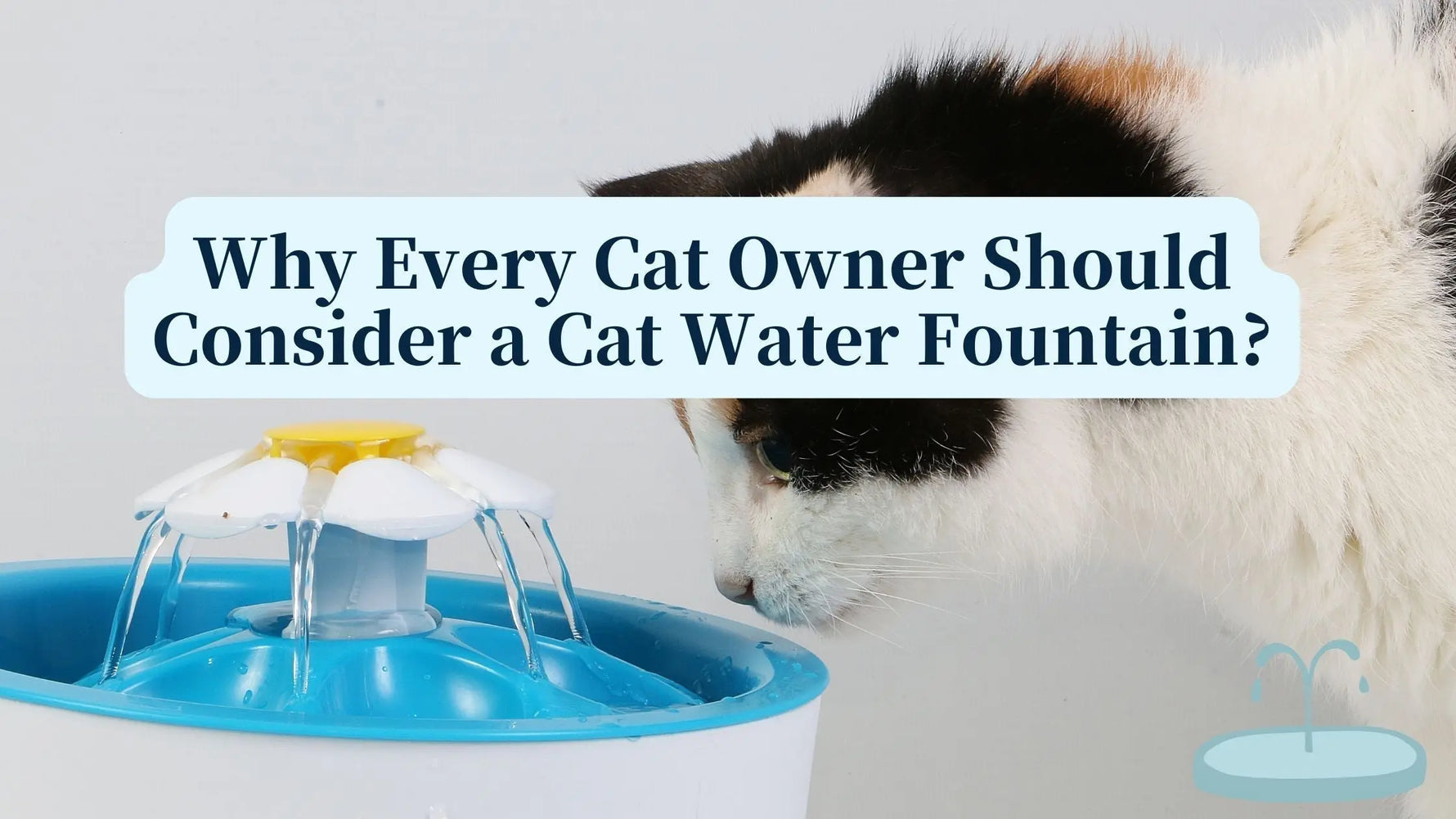
Why Every Cat Owner Should Consider a Cat Water Fountain

am Okt 04 2025
As cat owners, we all know how picky our feline companions can be. From the food they eat to the spots they choose for naps, cats have a way of reminding us that their preferences matter. But there’s one area where their natural instincts often clash with modern living: hydration. Many cats simply don’t drink enough water from a traditional bowl, and that can put their health at risk. That’s where a cat water fountain can make a real difference. Why Cats Struggle With Hydration Unlike dogs, cats have a lower natural thirst drive. In the wild, much of their water intake comes from prey. Indoor cats, however, rely on bowls of still water — and many of them simply don’t find stagnant water appealing. This can lead to chronic dehydration, which in turn may cause urinary tract issues, kidney stress, or digestive problems. Fresh, moving water, on the other hand, is instinctively more attractive. Flowing water signals cleanliness and safety in nature, which explains why your cat might be more eager to drink from a dripping faucet than their bowl. How a Cat Water Fountain Helps A cat water fountain mimics that flowing movement cats instinctively prefer. By circulating water through a filter, it not only keeps the water fresh but also encourages cats to drink more. For pet parents, this simple switch can reduce the worry about whether their cat is getting enough hydration throughout the day. Some benefits include: Cleaner water thanks to built-in filters that remove hair and debris. Better hydration habits because cats are naturally drawn to moving water. Convenience for owners since fountains usually hold more water and require less frequent refilling than bowls. Choosing the Right Cat Water Fountain Not all fountains are created equal, and the best choice depends on your cat’s personality and your home setup. Here are a few things to consider: Material: Stainless steel and ceramic are durable and easy to clean; plastic can be lightweight but may hold odors over time. Noise level: Some cats are sensitive to sound, so a quiet pump is often worth the investment. Size: A multi-cat household might need a larger fountain, while a single cat may do well with a compact version. For cat owners looking for reliable options, resources like Petrkl™ PureFlow offer thoughtfully designed cat water fountains that balance durability, quiet operation, and ease of cleaning. Choosing a trusted source ensures both you and your cat get the most out of this simple upgrade. Making Hydration a Daily Priority At the end of the day, the goal isn’t just to buy another gadget — it’s to make hydration a natural part of your cat’s routine. A cat water fountain is one of the simplest, most effective ways to do that. Combined with wet food or hydration-rich treats, it can go a long way in supporting your cat’s overall health. Sometimes the smallest changes — like replacing a water bowl with a fountain — can make the biggest impact. By encouraging your cat to drink more, you’re helping them stay healthy, active, and happy for years to come.
How to Choose the Perfect Halloween Costume for Your Dog or Cat

PETRKLMEADIA

How to Choose the Perfect Halloween Costume for Your Dog or Cat

am Sep 19 2025
Halloween isn’t just for humans—our furry friends deserve to join the spooky fun too! Dressing up your dog or cat can be adorable, entertaining, and a great way to bond. But choosing the right Halloween pet costume involves more than picking the cutest outfit. Comfort, safety, and fit are key to ensuring your furry companion enjoys the festivities without stress.
The Complete Guide to Dog Coats: Keep Your Pup Warm, Dry, and Stylish - Petrkl

PETRKLMEADIA

The Complete Guide to Dog Coats: Keep Your Pup Warm, Dry, and Stylish

am Aug 29 2025
When the temperature drops or rainy days arrive, our dogs feel it just as much as we do. A dog coat isn’t just a cute accessory—it’s a practical way to keep your pup comfortable, healthy, and happy in every season. Whether you’re looking for something waterproof for outdoor adventures or a soft jumper for cozy evenings, the right dog coat makes all the difference.
stainless steel cat water fountain

PETRKLMEADIA

Why Stainless Steel Cat Water Fountains Are Best for Pet Health

am Aug 14 2025
Water isn’t just a thirst-quencher for cats — it’s essential for their kidney function, urinary tract health, and overall vitality. In the wild, cats get much of their moisture from prey. But for our modern indoor companions, a water fountain can make the difference between just “drinking enough” and thriving. A fresh, flowing water source encourages cats to drink more, reducing the risk of urinary tract infections and kidney disease. But here’s the part many cat owners overlook — the material of your cat’s water fountain matters just as much as the water itself. Jump to Section Quickly Why Stainless Steel Matters Stainless Steel for Maximum Hygiene and Your Cat’s Health Fresh Flowing Water to Keep Your Cat Hydrated Petrkl™ PureFlow vs. Catit Flower Fountain Conclusion When it comes to the health and happiness of our pets, hydration is just as important as nutrition. As loving pet owners, we want nothing but the best for our cats and small dogs — fresh, clean water that keeps them thriving every single day. That’s why choosing the right water fountain isn’t just a convenience, it’s a commitment to their long-term well-being. Why Stainless Steel Matters Many cat owners don’t realize that the material of a water fountain can directly affect their pet’s health. A safe and hygienic water source encourages proper hydration, supports kidney health, and helps maintain a healthy urinary tract. Plastic fountains may seem convenient, but they can develop tiny micro-scratches that trap bacteria — even after thorough cleaning. Ceramic fountains are cleaner, but they’re heavy, breakable, and can chip over time. That’s where SUS304 stainless steel, like the material used in the PureFlow, makes a real difference: Non-porous surface – No micro-scratches for bacteria to hide in Corrosion-resistant – Won’t rust, even after years of use Food-grade safe – Same high standard used in professional kitchens By choosing stainless steel, you’re not just picking a fountain — you’re investing in the safest, most hygienic hydration solution for your pet. It’s a simple upgrade that can deliver long-term health benefits, one sip at a time. Stainless Steel for Maximum Hygiene and Your Cat’s Health Clean and safe drinking water is essential for your cat’s long-term health and well-being. Cats are prone to urinary and kidney issues if their water source harbors bacteria or becomes contaminated. By choosing a fountain made from SUS304 stainless steel, you can provide a consistently hygienic drinking environment. Stainless steel is non-porous, so it prevents bacteria and odors from building up, even with daily use. Unlike plastic, it won’t scratch easily, and micro-scratches where germs hide are avoided. Maintaining a clean fountain is easy: regular rinsing and weekly deep cleaning ensure your cat always has access to fresh water. By investing in a stainless steel fountain, you are helping your cat stay hydrated, healthy, and comfortable — sip after sip. Fresh Flowing Water to Keep Your Cat Hydrated Proper hydration is essential for your cat’s overall health. Water plays a critical role in kidney function, urinary tract health, digestion, and even maintaining a healthy weight. Cats, however, often drink less than they need, especially if water is stagnant or unappealing. This can increase the risk of urinary tract infections, kidney stones, and other health issues. Cats are naturally drawn to running water in the wild because it signals freshness and safety. The PureFlow Stainless Steel Cat Water Fountain leverages this instinct with a smart circulation system that gently moves the water, keeping it oxygenated and refreshing at all times. Continuous circulation also prevents bacterial growth, reduces stagnant water odors, and maintains the water’s taste, encouraging your cat to drink more. By providing fresh, flowing water daily, you help support your cat’s energy levels, hydration balance, and overall vitality. Over time, consistent hydration can reduce the risk of urinary problems, improve kidney function, and contribute to a longer, healthier life for your furry companion. Key Features & Benefits SUS304 Stainless Steel – Safer, cleaner, and more durable than plastic. Large 3.2L Capacity – Fewer refills for you, more hydration for them. Ultra-Quiet Pump (<30dB) – So quiet, you’ll forget it’s running. Smart Flow Design – Gentle circulation keeps water oxygenated and appealing. Perfect for Cats & Small Dogs – Great for single or multi-pet households. No App Needed – Simple plug-and-play design—no overcomplication. How It Encourages Your Cat to Drink More Cats are naturally cautious about their water sources, and many tend to drink less than they need, which can lead to dehydration or urinary tract issues. A well-designed cat water fountain can make a big difference in keeping your feline healthy. Fresh, Flowing Water – Our stainless steel cat water fountain continuously circulates water, mimicking natural streams. Cats are instinctively drawn to moving water, making them more likely to drink regularly. Hygienic Stainless Steel – Unlike plastic bowls that can retain odors and bacteria, stainless steel is odor-free, resistant to scratches, and easy to clean. Cleaner water tastes better and encourages cats to drink more. Filtration System – The built-in filter removes impurities, hair, and debris, ensuring every sip is fresh and safe. Cats are sensitive to taste and smell, so filtered water can make a significant difference in hydration. Curiosity and Playfulness – The gentle bubbling or flowing stream stimulates your cat’s curiosity and natural instincts. Drinking becomes an engaging activity rather than a routine chore. Supports Long-Term Health – By encouraging regular water intake, the fountain helps prevent urinary tract problems, kidney issues, and dehydration, promoting overall wellbeing and vitality. Convenience for Pet Owners – Stainless steel construction is durable, easy to clean, and less likely to harbor bacteria. You can provide fresh water continuously without frequent refills, giving both you and your cat peace of mind. With a stainless steel cat water fountain, you create a healthier, more inviting drinking environment that naturally encourages your cat to stay hydrated every day. Petrkl™ PureFlow vs. Other Flower Fountain Feature Petrkl™ PureFlow Other Flower Fountain Material SUS304 Stainless Steel Plastic (BPA-Free) Capacity 3.2L 3L Hygiene Non-porous, bacteria-resistant Can scratch and harbor bacteria Durability Years without degradation Can discolor or warp over time Noise <30dB ultra-quiet Slightly louder Aesthetics Sleek modern steel design Colorful plastic flower design Maintenance Dishwasher-safe top parts Hand-wash recommended Verdict: While Catit is a popular choice, the PureFlow wins in hygiene, durability, and minimal maintenance—without the plastic drawbacks. Conclusion Give your beloved cat the hydration it deserves by choosing our premium stainless steel cat water fountain. With a focus on fresh, flowing water, hygienic stainless steel construction, effective filtration, and the stimulation of natural drinking instincts, our fountain is designed to encourage regular water intake and support your cat’s urinary, kidney, and overall health. Experience the positive difference in your cat’s vitality, hydration, and happiness by making the switch to our high-quality cat water fountain. Order now and see how it can transform your cat’s daily routine. FAQ Q1: How often should I clean the fountain?A: For best hygiene, rinse and refresh water every 2–3 days, and deep-clean the fountain weekly. Q2: Can I use it for dogs?A: Yes! It’s perfect for small dogs as well as cats. Q3: Does it need a special filter?A: Yes, we recommend replacing the carbon filter every 2–4 weeks depending on water hardness. Q4: Is the stainless steel dishwasher-safe?A: Absolutely—the stainless steel parts are 100% dishwasher-safe. Q5: Does the pump make noise?A: No—it operates under 30dB, quieter than a whisper.
Do Cooling Collars Really Work? Science-Backed Answers for Your Dog

PETRKLMEADIA

Dog Cooling Collars Really Work? Science-Backed Answers for Your Dog

am Aug 14 2025
If you’ve ever watched your dog pant heavily on a warm summer day, you know just how important it is to help them stay cool. Overheating in dogs can lead to serious issues like dehydration, heat stress, or even heatstroke. That’s where dog cooling collars come in — but do they really work, or are they just another pet trend? Let’s break down the science behind cooling collars, their benefits, and how to use them safely. How Dog Cooling Collars Work Cooling collars are designed to draw heat away from your dog’s body, helping regulate their temperature. Most use one of three cooling methods: Evaporative Cooling – Made from special absorbent fabrics, these collars are soaked in water. As the water evaporates, it creates a cooling effect on your dog’s neck, an area with key blood vessels close to the surface. Gel or Ice Pack Inserts – Some collars have cooling gel packs that can be chilled or frozen. These provide instant cold relief, similar to an ice pack for humans. Phase Change Materials (PCM) – Advanced collars use materials that maintain a consistent cool temperature for hours without feeling uncomfortably cold. What Science Says About Dog Cooling Collars While large-scale clinical trials are limited, several veterinary studies and thermoregulation principles back the idea that targeted cooling around the neck can help lower a dog’s overall body temperature. Why the neck? Blood vessels in this area transport blood to and from the brain. By cooling this region, you can indirectly help lower core body temperature more efficiently than just cooling the paws or fur surface. Veterinarians often recommend cooling aids, especially for breeds prone to overheating like Bulldogs, Pugs, and Huskies. Benefits of Using a Cooling Collar Prevents Heat Stress – Particularly helpful during summer walks or playtime. Portable and Lightweight – Much easier to carry than a full cooling vest. Quick Relief – Some collars provide cooling in under 5 minutes. Reusable – Many models simply need re-soaking or re-chilling. When and How to Use a Cooling Collar Safely Ideal Situations: Summer walks, car rides, post-exercise cooldowns, or during travel. Safety Tip: Never leave a cooling collar on for too long without checking your dog’s comfort — especially if using ice packs. Combine with Other Cooling Methods: Shade, fresh water, and limiting exercise in peak heat are still essential. Choosing the Right Dog Cooling Collar Not all cooling collars are created equal. Look for: Adjustable fit for your dog’s comfort. Breathable materials to prevent irritation. Long-lasting cooling performance. We recommend the Petrkl™ CoolLoop — designed with high-performance cooling fabric that activates in seconds when soaked in water, lightweight for all-day wear, and reusable throughout the summer. Final Verdict: Do Cooling Collars Work? Yes — when used correctly, dog cooling collars can provide real relief for your furry friend in hot weather. They’re not a replacement for responsible heat management, but they’re an effective, vet-approved tool to keep your dog safe and comfortable. Think of them as part of your summer dog care kit — just like water bowls, shaded spots, and shorter midday walks. If you want to give your dog an easy, comfortable way to stay cool this summer, try the Petrkl™ CoolLoop. It’s a small change that can make a big difference in your pup’s comfort and safety.
Petrkl™ PureFlow stainless steel cat water fountain with triple filtration

PETRKLMEADIA

Cat Water Fountains: Are They Worth It? (Vet-Approved Guide + Top Picks)

am Aug 08 2025
If you’ve ever caught your cat drinking from the faucet, licking condensation off a glass, or—let’s be honest—sticking their entire face in your water cup, you’re not alone. Cats have opinions about their water, and still bowls just don’t always cut it.
pet gear stroller

PETRKLMEADIA

Top 5 Benefits of Using a Pet Gear Stroller for Outdoor Adventures

am Aug 04 2025
As a dog owner, you want every outdoor adventure with your pup to be safe and enjoyable. That's where a high-quality pet gear stroller shines—far more than just a luxury for show dogs. Whether you have a senior companion, a small breed, or an anxious rescue, the best dog stroller can transform your walks from stressful to sublime.
Top-5-Pet-Carrier-Bags-for-Small-Dogs Petrkl

PETRKLMEADIA

Top 5 Pet Carrier Bags for Small Dogs

am Aug 01 2025
Traveling with a small dog or cat can be a breeze—if you’ve got the right gear. And for pet parents who love to stay on the move, a well-designed pet carrier bag for small dogs isn't just a convenience—it's a game changer. Whether it’s a vet trip, brunch in the city, or a weekend hike, having the perfect carrier keeps both you and your pet happy.
The best Dog Car Bed

PETRKLMEADIA

How to choose the Best Dog Car Bed for Safe & Comfy Travel?

am Jul 28 2025
Traveling with your furry friend is one of life’s greatest joys—but without the right setup, car rides can turn stressful fast. Whether you're heading out on a weekend road trip or just making a quick vet visit, a dog car bed is essential to keep your pup safe, secure, and cozy during the ride.
How-to-Choose-the-Best-Airline-Approved-Cat-Carrier-for-Flights Petrkl

PETRKLMEADIA

How to Choose the Best Airline Approved Cat Carrier for Flights

am Jul 11 2025
Let’s be honest—traveling with a cat can feel like trying to negotiate with a tiny, furry diva. And when a plane ride gets thrown into the mix? Now you’ve got airline rules, TSA lines, and a very unimpressed cat to think about. That’s why finding the right airline approved cat carrier isn’t just something to check off your to-do list—it’s the key to keeping both of you sane.
How-to-Choose-the-Perfect-Airline-Approved-Pet-Carrier-for-Your-Furry-Friend Petrkl

PETRKLMEADIA

How to Choose the Perfect Airline-Approved Pet Carrier for Your Furry Friend

am Jun 07 2025
Traveling with your pet just got easier! At Petrkl, we specialize in airline-compliant, waterproof nylon pet carriers designed for safety, comfort, and convenience. Whether you need a hands-free backpack, a stylish tote, or a wheeled carrier, we have the perfect travel solution for you and your pet.
The-Ultimate-Guide-to-Traveling-with-Pets-From-Packing-to-Emergency-Prep Petrkl

PETRKLMEADIA

Der ultimative Leitfaden für Reisen mit Haustieren: Vom Packen bis zur Notfallvorbereitung

am Mai 20 2025
Von Petrkl – Entwickelt für abenteuerlustige Haustiere und ihre Menschen Intro-Hook Sie träumen davon, mit Ihrem vierbeinigen Co-Piloten um die Welt zu reisen, haben aber Angst vor dem Chaos? Als Tierbesitzer, die mit ihren Hunden und Katzen durch über 25 Länder gereist sind, wissen wir, wie man stressfreie Abenteuer erlebt. Hier ist Ihr ultimatives Spielbuch! 1. Reisevorbereitungen ✓ Die 5-Sterne-Packliste ▲ Grundausstattung Eine von der TSA zugelassene Transportbox für Haustiere (wie Air|PetAir Travel Tote ) Zusammenklappbare Schüsseln, die an Rucksäcken befestigt werden können (Unsere Petrkl Fold & Go Bowl passt perfekt dazu) ▲ Gesundheits-Must-Haves Kopien der Impfpässe Medikamente gegen Reisekrankheit (Tipp: Testen Sie die Dosierung vor dem Reisetag) ✓ Transport 101 ▸ Flüge : Buchen Sie frühzeitig einen Platz für Ihr Haustier! Fluggesellschaften verlangen, dass die Transportboxen unter die Sitze passen (Petrkl's Einkaufstasche erfüllt die Größenbeschränkungen der meisten Fluggesellschaften)Wie die Front Carry Tote Pet Carrier ▸ Road Trips : Sichern Sie Träger mit Sicherheitsgurten (Die Roadie Anti-Rutsch-Sockel des Modells verhindert das Verrutschen) 2. Unterwegs ★ Tipps zum Stressabbau Bringen Sie Haustieren bei, ihre Transportbox zu lieben: Lassen Sie es zu Hause offen mit Leckereien darin Machen Sie kurze „Übungsausflüge“ zu interessanten Orten Nutzen Sie die obere Zugangsklappe (in Petrkl-Tragen enthalten) für Kuscheleinheiten während der Fahrt ⚠️ Notfallprotokolle ▲ Hitzschlag : Pfoten mit nassen Handtüchern kühlen + Schatten suchen (Unsere reflektierenden Sonnenschutz Futter reduziert Wärmeaufnahme) ▲ Erbrechen : 4 Stunden lang kein Futter geben, dann Eiswürfel anbieten (Profi-Tipp: Den Behälter mit saugfähigem Petrkl Pads ) 3. Reiseziel-Tipps ♡ Haustierfreundliche Unterkünfte Filtern Sie auf Buchungsseiten nach „haustierfreundlich“ (achten Sie auf Gewichtsgebühren!) Schaffen Sie eine sichere Zone, indem Sie die Transportbox zu einem Mini-Schlafzimmer erweitern (Ja, die Haustierzelt-Serie von Petrkl macht das!) ⛰️ Outdoor-Abenteuer Wandern? Wählen Sie Träger mit atmungsaktiven Rückenteilen (wie unsere Rucksackserie ) Strandtage? Spülen Sie Salzwasser von den Pfoten ab, bevor sie daran lecken (Verwenden Sie den abnehmbaren Petrkl Fellpflegehandschuh )